.png)
Following the RANGE 2 3D scanner launch, Revopoint has launched the much anticipated MINI 2 3D scanner. Founded in 2014, Revopoint’s 3D scanners, including POP series, RANGE series, INSPIRE, and MIRACO, among others, known for their high-quality performance, portability, and user-friendly design, have positioned the company as a sales leader in the industry. With users in over 150 countries, the company provides accurate, accessible, and affordable 3D scanners to tens of thousands of makers worldwide. Revopoint’s MINI 2 3D scanner is a powerful tool, catering to diverse needs across industries with its precision, speed, and user-friendly features. Whether in manufacturing, healthcare, heritage preservation, or design, the MINI 2 stands out as a reliable solution for professionals seeking high accuracy in small object scanning, says the company. Revopoint MINI 2 3D scanner. Photo via Revopoint. Tapping into the MINI 2 3D scanner’s superior features The Revopoint MINI 2 is an advanced… read more

Alex
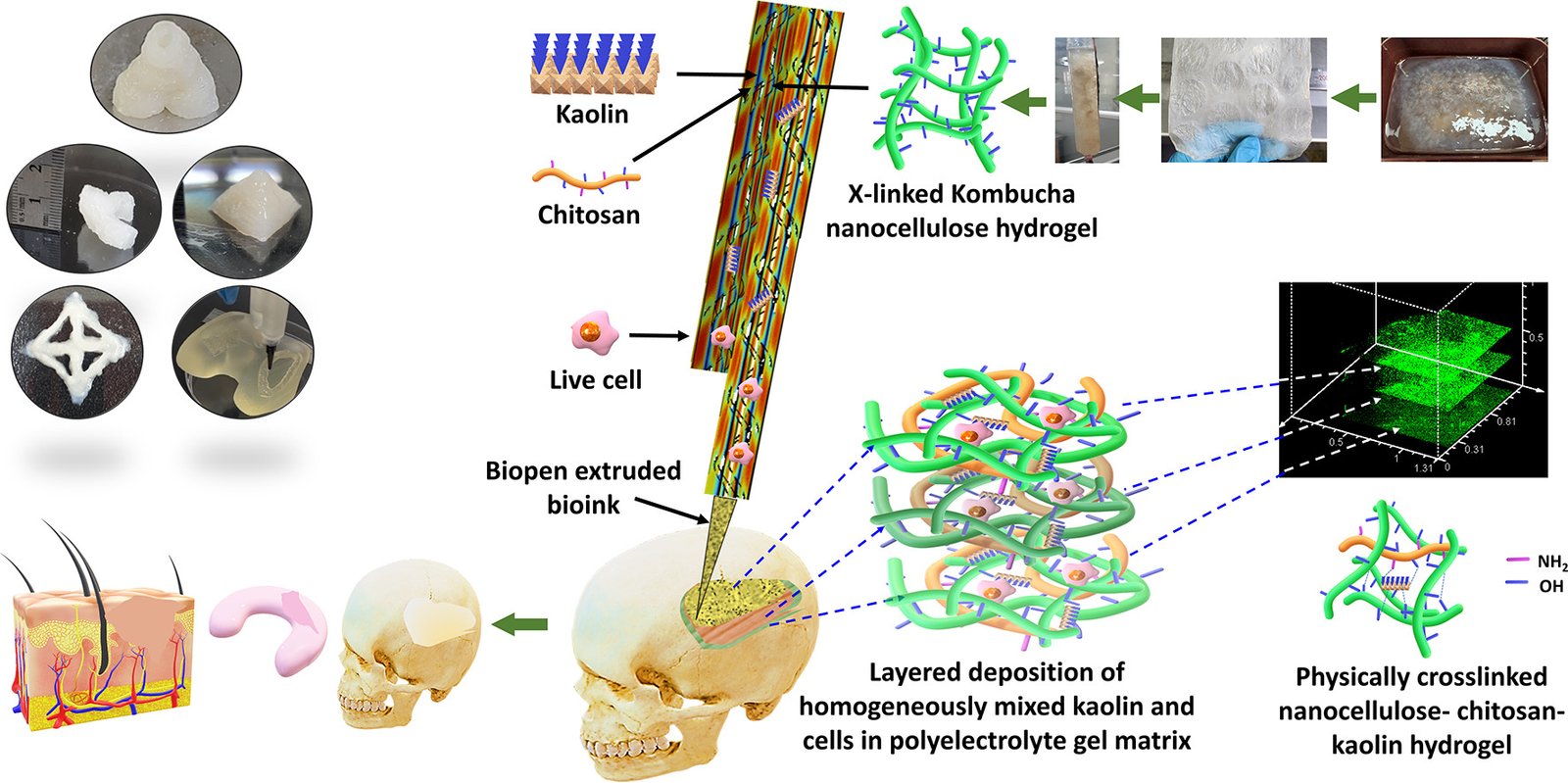
Researchers at Seoul National University of Science and Technology (SEOULTECH) have developed a Kombucha SCOBY (Symbiotic Culture of Bacteria and Yeast) bioink that could streamline in vivo tissue engineering. Published in the International Journal of Biological Macromolecules on December 1, 2024, the study outlines how nanocellulose from SCOBY can be partially hydrolyzed, reinforced with chitosan and kaolin, and printed onto irregular wounds using a hand-held device called the Biowork biopen. Kombucha SCOBY produces cellulose during tea fermentation, resulting in nanocellulose with biodegradable and cell-compatible properties. However, the default entangled structure can be difficult to extrude. The team, led by Professor Insup Noh, used acetic acid to loosen the nanocellulose fibers (partial hydrolysis), improving flow through fine nozzles but simultaneously reducing the material’s mechanical strength. To restore structural stability, they introduced chitosan (a positively charged polymer) and kaolin (a negatively charged clay). Electrostatic interactions among these three components—nanocellulose, chitosan, and kaolin—created… read more
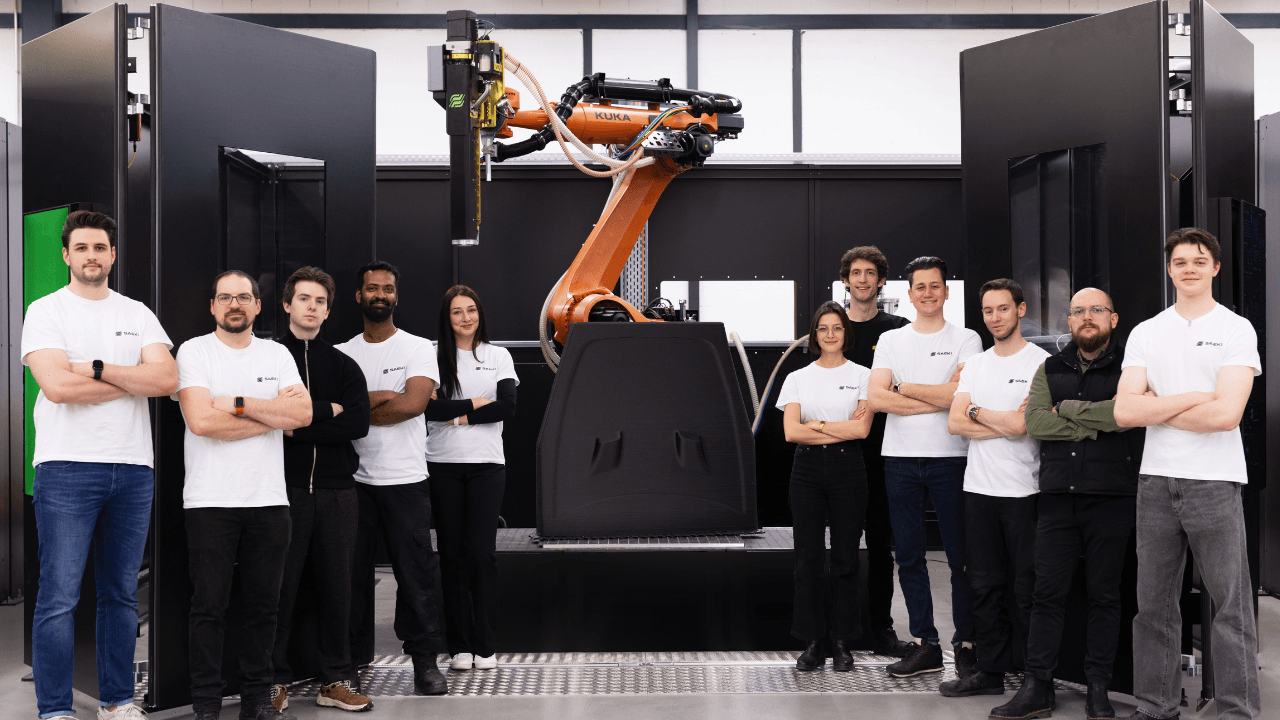
Swiss manufacturing automation firm SAEKI has secured $6.7 million in new funding, bringing its total funding to $8 million. The investment round was led by Lightbird, with participation from Founderful, 2100VC, Danobat, and several business angels. The company combines large-scale additive manufacturing with CNC machining in an integrated production system. This hybrid approach allows SAEKI to produce industrial components in significantly shorter timeframes compared to traditional manufacturing methods. According to the company, its automated quality assurance system helps maintain compliance with industry standards. Image Credit: SAEKI SAEKI has introduced a new digital quoting platform that enables customers to receive immediate pricing for engineered parts after uploading their designs. The system has reduced the procurement process from several days to minutes. A case study with an automotive manufacturer showed that SAEKI’s 3D-printed composite tooling reduced production time from six weeks to one week. “This isn’t just about making parts; it’s about… read more
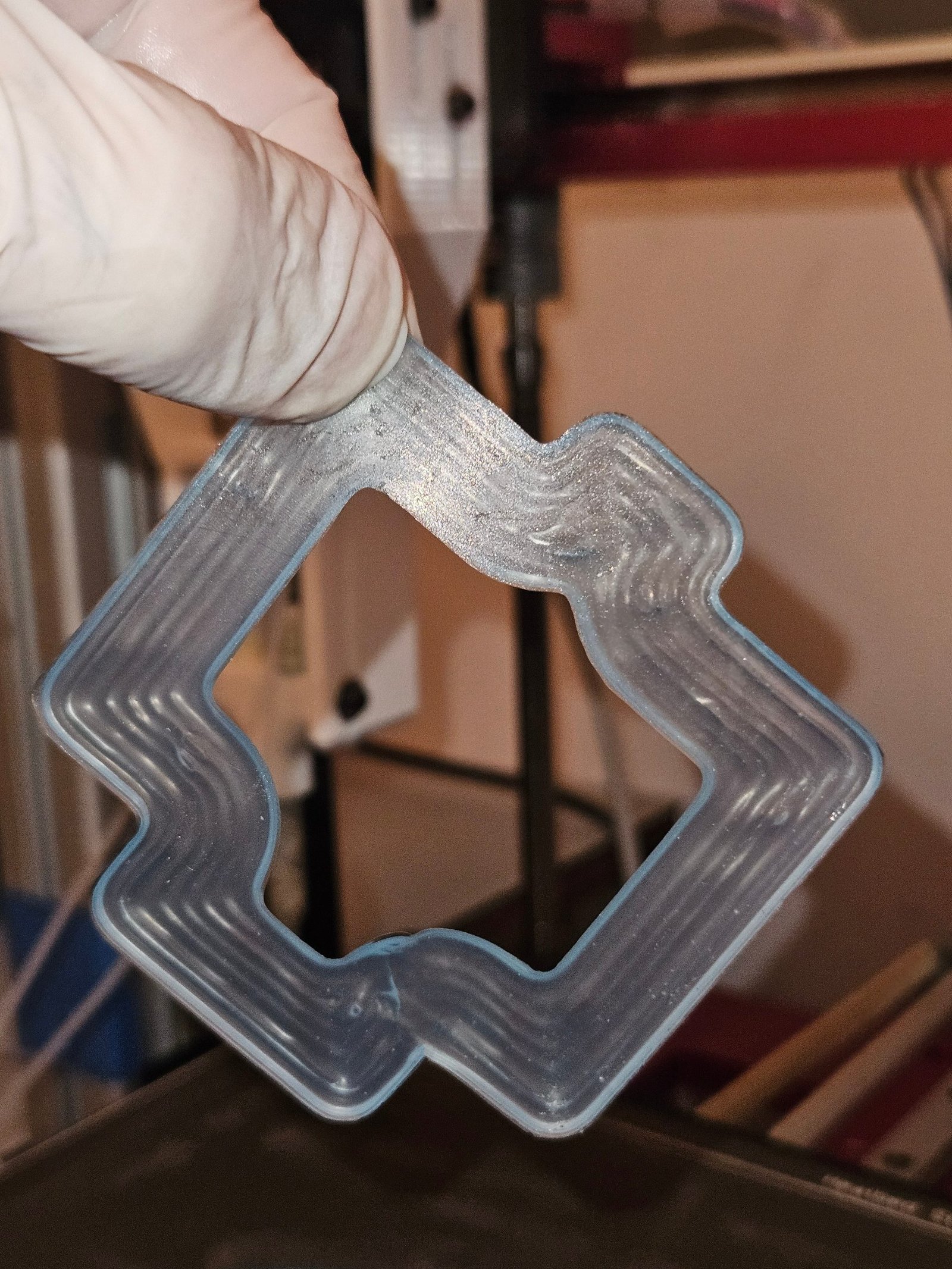
Filament2, a company specializing in innovative 3D printing materials, announced the launch of the world’s first silicone filament compatible with standard FDM 3D printers at Formnext 2024. This development promises to expand the capabilities of additive manufacturing across various industries by removing the necessity for specialized equipment. Silicone is highly regarded for its flexibility, heat resistance, and durability, making it a preferred material in industries such as medical devices, automotive engineering, and consumer electronics. However, integrating silicone into 3D printing processes has traditionally been difficult due to the complexity and high costs associated with specialized machinery. Filament2’s new filament addresses these challenges by enabling the extrusion of pure silicone using any standard FDM printer. This innovation not only simplifies the manufacturing process but also makes silicone accessible to a wider range of users and applications. Demonstration of a flexible silicone component printed using the newly launched silicone filament. Photo via… read more
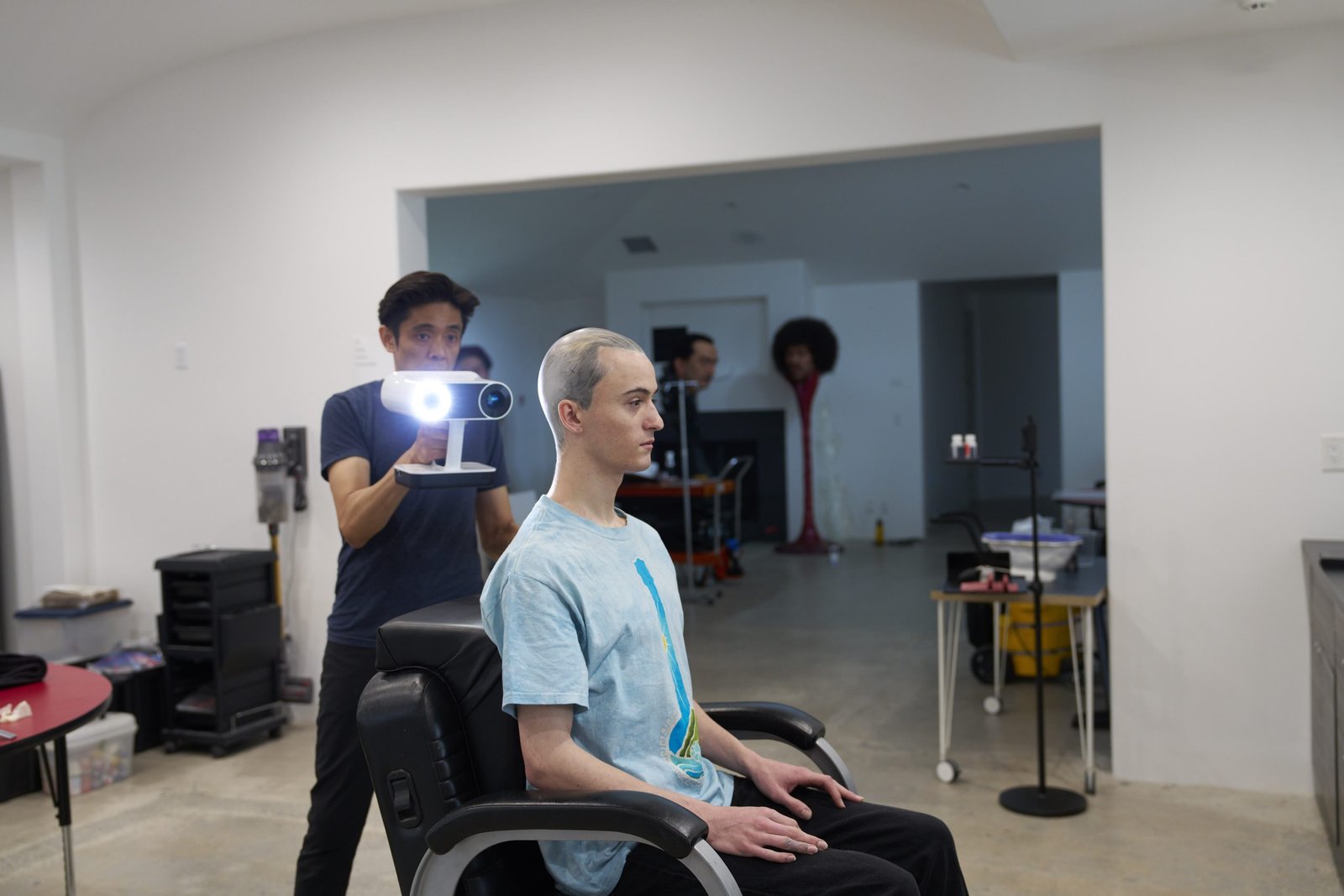
Renowned Hollywood makeup artist Kazu Hiro is leveraging 3D scanning to refine lifecasting methodologies, seeking efficiency and precision in character transformation. Traditionally, lifecasting involves the meticulous creation of three-dimensional molds using silicone-based materials. While effective, this method poses challenges such as extended sitting times for actors and potential discomfort due to the use of molding materials. To streamline this process, Hiro has integrated Artec 3D scanners into his workflow. Contributing to his Oscar-nominated films, Hiro collaborated with actors like Robert Downey Jr. and Bradley Cooper on the acclaimed 2023 film “Maestro.” Before this, Hiro’s portfolio boasted a range of blockbuster hits, including “Bombshell,” “Darkest Hour,” “Salt,” “The Curious Case of Benjamin Button,” “Men in Black II,” and “How the Grinch Stole Christmas,” among other notable films. Hiro said, “The Artec Leo and Space Spider have altered my work profoundly. This technology gives me an exceptional level of detail, without the… read more
- How technology reshapes the landscape of gambling today
- Mastering the Casino Experience An Advanced Guide to lucky lace slot Success
- Aprende estrategias básicas para principiantes en el casino con Fortune Tiger
- Les jeux de casino incontournables à découvrir absolument
- The Future of Casinos What to Expect from New Technologies at Zet Casino


