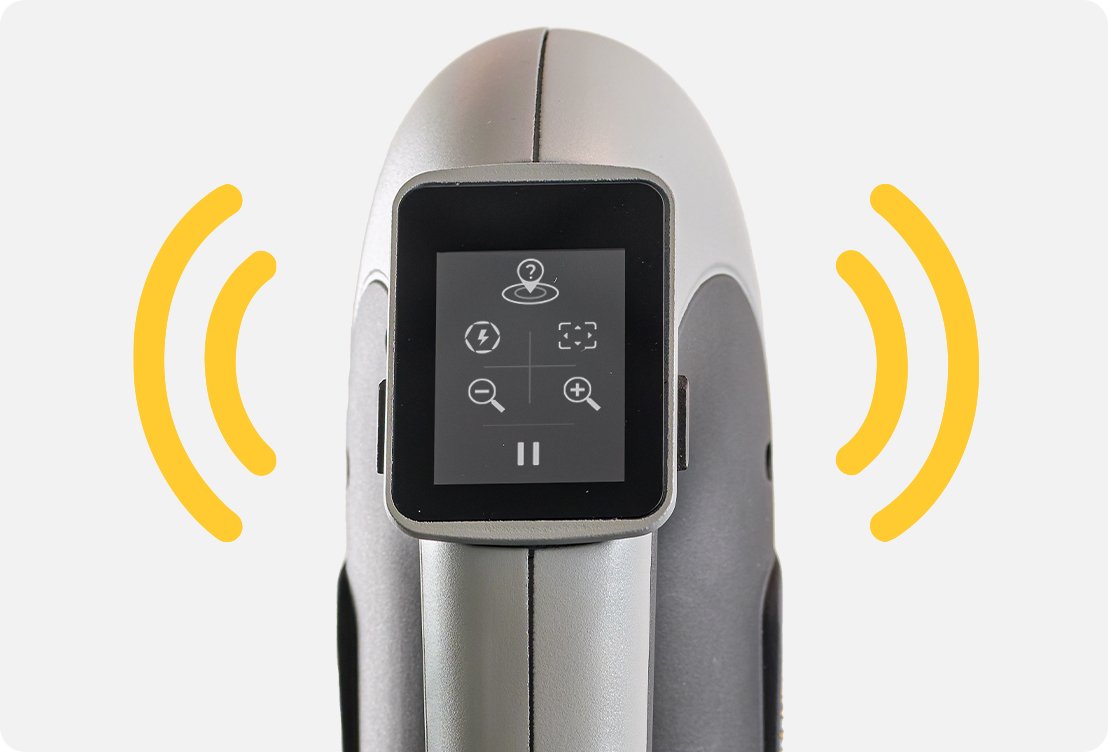
3D scanner manufacturer peel 3d has announced the launch of two new products, the peel 3 and peel 3.CAD. Designed to elevate users’ experiences without compromising on affordability, both new scanners feature a revamped ergonomic design, as well as improved resolution and performance. These upgrades, in tandem with the devices’ industry-first haptic feedback system, allow adopters to generate high-quality models of complex objects regardless of their scanning skill level. “In addition to the boosted performance specs and innovative design of the new peel 3 3D scanners, the fact that each can be supported with integrated and powerful scan-to-CAD software is something the market has never seen before for this category of 3D measurement solution,” explained peel 3d Program Manager, François Leclerc. “This clearly shows our commitment to democratizing the entire 3D scanning experience for users in many fields.” A diagram depicting the haptic feedback features of the peel 3 3D… read more

Our Blog
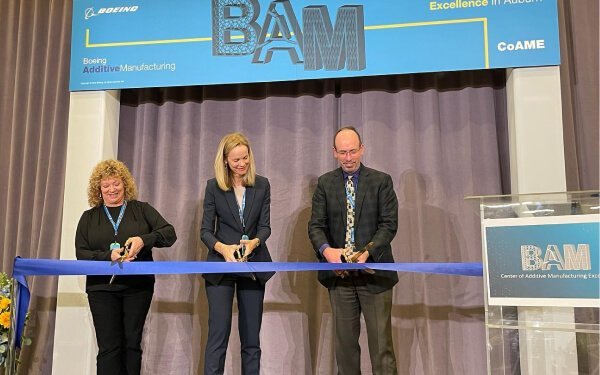
This week aircraft manufacturer Boeing has officially celebrated the opening of its Center of Additive Manufacturing Excellence in Auburn, Washington. The facility employs over 100 people who will be operating the multitudes of printers at the factory who will continue to research, develop and manufacture the lightweight components for Boeing’s aircraft and spacecraft products. And that’s a lot of components, as Boeing currently has over 70,000 3D printed parts in their portfolio. Belated opening ceremony. (Image credit: City of Auburn) While the facility officially opened in 2020, the pandemic cut short any kind of formal opening, and so this week they have finally had the opportunity to rectify that. “It’s been a while since we’ve been doing this, but this is the first time we’ve had the opportunity to celebrate it,” said Susan Champlain, Senior Director of State and Local Government Operations at Boeing. The facility has the capacity for… read more

As the 3D printing market continues to expand, the demand for 3D printing materials with advantageous properties has grown with it. This, in turn, has driven the development of a wide variety of new material categories, brought to market to address specific applications, one of which is flexible 3D printing resins. For its part, Dutch photopolymer manufacturer Liqcreate specializes in developing high-quality resins for SLA, DLP & MSLA/LCD 3D printing in the range of 385 – 420 nm. In recent years, the firm has developed many engineering, jewelry, prototyping and dental materials, which continue to be enjoyed by its customers around the world. Leveraging this accumulated expertise, Liqcreate’s engineers have now put together the below guide, which seeks to advise users on their flexible resin options, and offer tips on the best way to improve both their technical knowledge and print quality. Identifying the ideal TPU alternative Due to their… read more
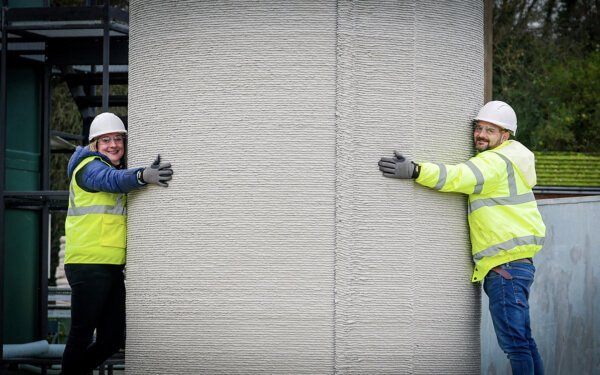
The first 3D printed concrete water chamber has been built and installed in Cheshire, UK. Among other things, the printed water chamber, which is to be installed as part of the local sewage system is designed to reduce the risks associated with working at heights. Read on to know more about this example of “Printfrastructure”, which you can see in the image below. Hugging the tank. (Image credit: Costain/Changemaker3D) The structure which has been installed at the local water authority facility for testing was designed in collaboration with Costain, United Utilities and ChangeMaker3D. The concrete water tank, which will contain wastewater from the sewage system was printed in just four hours, and offered a 25% reduction in carbon, 20% cost saving and 55% reduction in labor versus traditional construction methods. “A 3D printed structure of this kind is ground-breaking within the UK water sector. We work with water and wastewater… read more
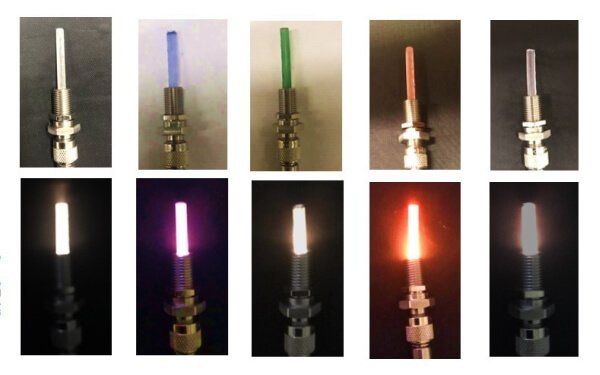
A team of researchers from Khalifa University in Abu Dhabi has developed a means of 3D printing rugged optical fibers that can be used as temperature sensors. The group has published their findings in the Additive Manufacturing journal. Using polymer resins embedded with color-changing powders, the researchers have been able to produce flexible and tough optical fibers that are vastly more robust than the traditional (brittle) kind that are made of glass. More Robust While industrial sensors made from glass fiber optics are commonplace, they are prone to readout errors due to the harsh environments they are often placed in. “Optical fiber sensors can work in harsh environments as they are immune to electromagnetic interferences and have remote sensing capabilities,” said Dr. Haider Butt, Associate Professor of Mechanical Engineering, at the university. “They show high sensitivity but they do have durability issues and are prone to be affected by small… read more
- How technology reshapes the landscape of gambling today
- Mastering the Casino Experience An Advanced Guide to lucky lace slot Success
- Aprende estrategias básicas para principiantes en el casino con Fortune Tiger
- Les jeux de casino incontournables à découvrir absolument
- The Future of Casinos What to Expect from New Technologies at Zet Casino